
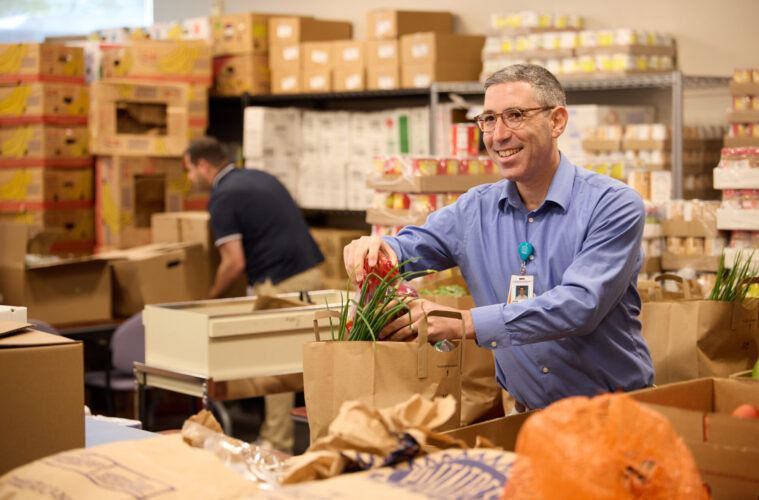
When you need to stretch a dollar and feed your family, it’s often cheaper and easier to purchase foods that aren’t the healthiest for you, resulting in a short term hunger fix with long-term health consequences. But what if low-income patients were able to get a “prescription” for free, healthy, plant-based foods from their doctor and fill that prescription right at their health clinic? That’s what’s happening at the Massachusetts General Hospital Revere Food Pantry, which provides plant-based foods for patients with food insecurity, along with educational cooking classes that teach them how to prepare healthy meals with what they receive.
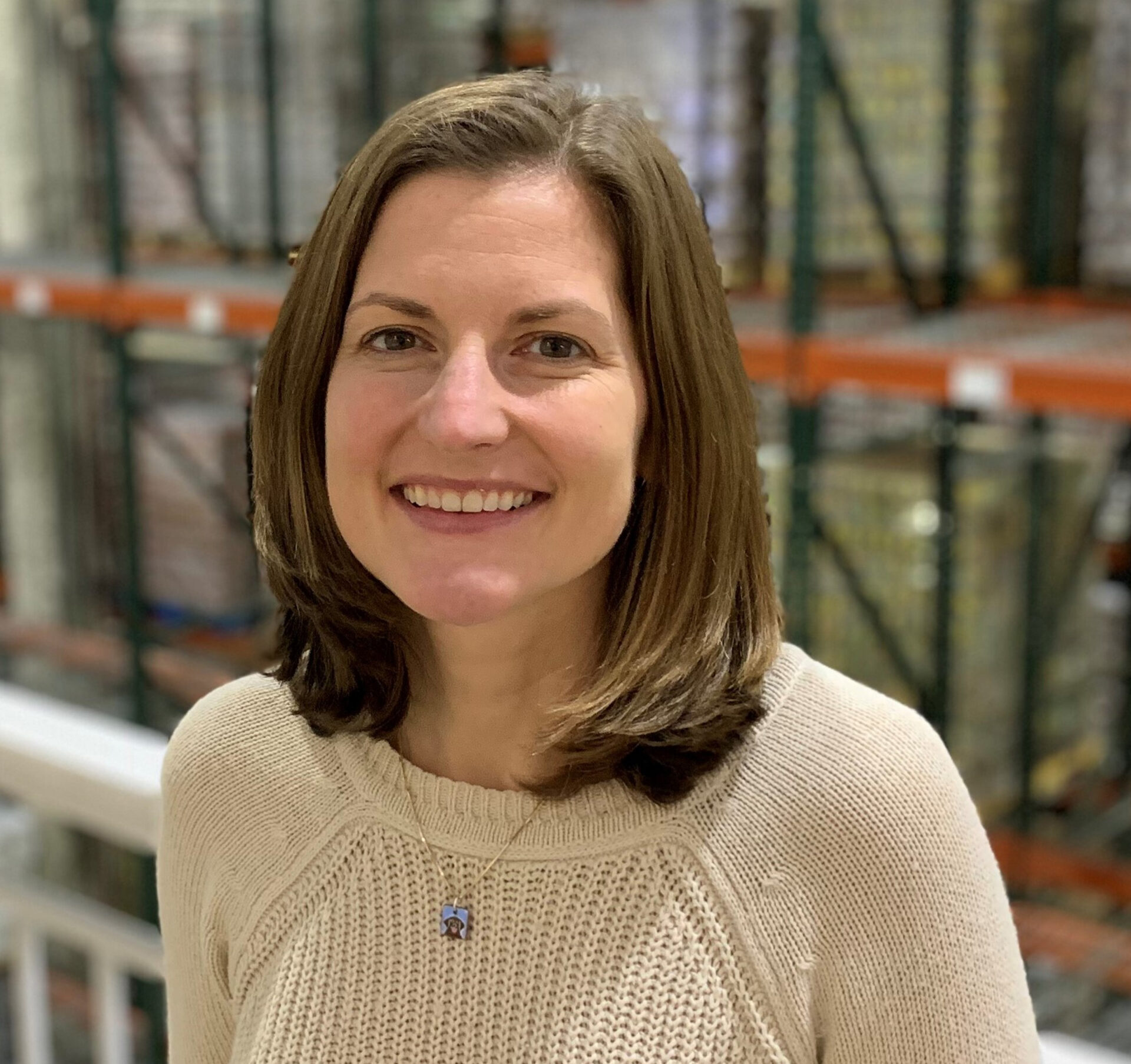
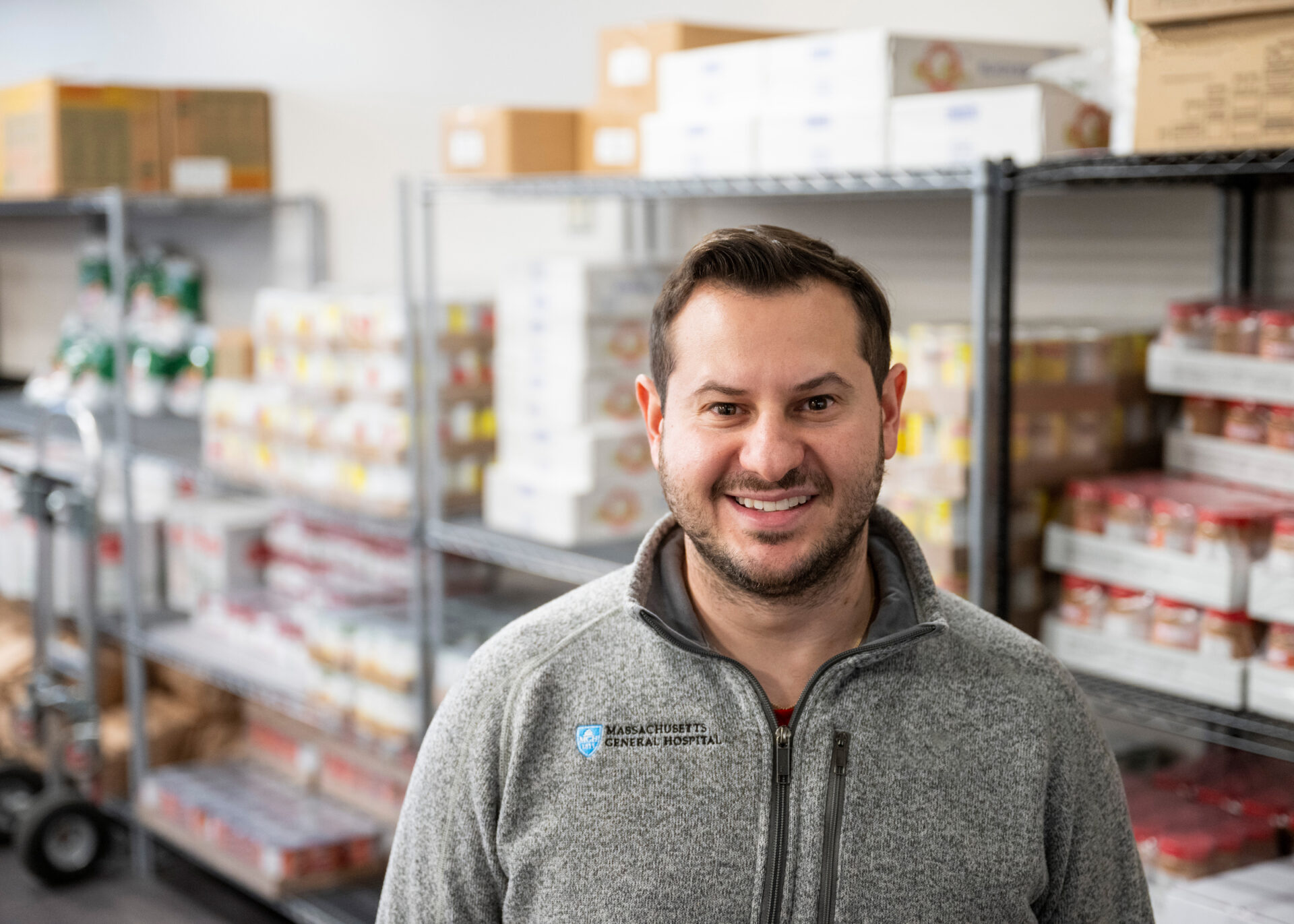
“It was always meant to be a plant-based food pantry, designed to change the outcomes and lifestyle of our patients, and give them a better outlook on life,” says Michael Lenson, program manager of the MGH Revere Food Pantry, Teaching Kitchen, and Youth Zone. Unlike other food pantries that are open to the general public, the plant-based pantry at MGH Revere is open to patients there who need help accessing food. As part of their medical care, patients are screened for food insecurity to determine whether they have limited or uncertain access to healthy food. If they’re found to be food insecure, they receive a “prescription” to receive food from the pantry.
“The fact that it’s within a health center, I think, decreases the stigma and improves access,” says Lauren Fiechtner, MD, MPH, a pediatrician at Mass General Brigham for Children and senior health and research advisor for The Greater Boston Food Bank, which provides the majority of the food for the pantry. “Doctors can put a referral in for the food pantry within our electronic health record.” The pantry was first established in 2019 after its founder and medical director, Jacob Mirsky, MD, MA, DipABLM, FACLM, set out to establish a plant-based food pantry to help people with their chronic medical conditions.
“We know that the plant-based diet does improve health,” Fiechtner says. Research shows it lowers the risk for cancer, heart disease, diabetes, and other diseases, which the team at the MGH Revere Food Pantry has been able to see in action among patients. “Most of them are primary care patients within the health center, which actually sets it up for such a unique evaluation because we can link their receipt of these food packages with their health records,” Fiechtner says. Doing so has “shown improvements in blood pressure, and body mass index, and in surveys, we’ve shown improvements in dietary quality and improvement in food insecurity.”
In fact, the team has conducted and published research highlighting pantry user outcomes, including one showing that plant-based food packages “might mitigate, and potentially reverse, BMI increase in children in households seeking food assistance.” Another important element of the food pantry is that patients are receiving enough food to sustain them properly. “The unique piece of this is that the dose is pretty high, so the families come once a week and they get enough food for every meal, snack, et cetera, for every individual in the family,” Fiechtner says.
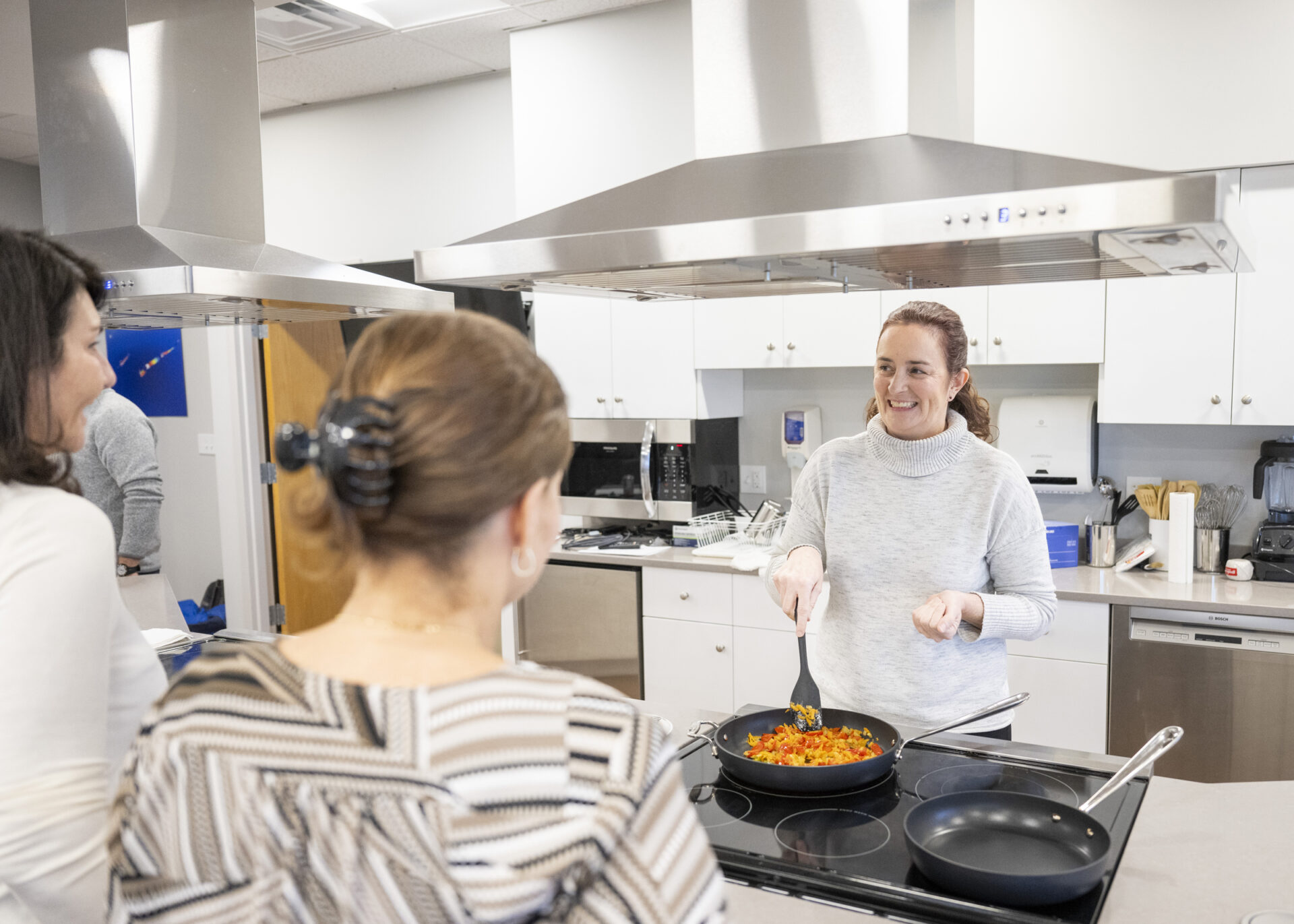
In addition to receiving food, patients also learn how to prepare it at the teaching kitchen, which runs classes twice a week for the roughly 150 families the pantry serves each month. The classes also focus on cooking with culturally specific foods that not everyone might how to use, such as yucca, plantains, and malanga coco. “The teaching kitchen’s whole mission is to educate our patients how to cook the foods they’re receiving on a weekly basis in a healthy manner that’s also delicious,” Lenson says. The result is a food pantry that not only feeds families in a healthy way, but highlights what can happen when medical teams and food assistance organizations work together. “It’s really a ‘food-as-medicine’ approach,” Fiechtner says.